TEL: +86-750-6896682 Email:info@goodtissue.com

 English
Views: 0 Author: Site Editor Publish Time: 2026-01-12 Origin: Site


Have you ever stopped to consider the journey of a simple paper tissue? From its raw materials to the finished product you carry in your pocket, the creation of a pocket tissue is a fascinating process. Many people assume that all paper products are harmful to the environment. However, modern manufacturing has made significant strides in sustainability. This article explores the composition of a paper tissue and explains how responsible production can lead to an eco-friendly product. We will delve into the materials, the manufacturing steps, and what makes a paper tissue a sustainable choice for everyday needs.
The primary component of most paper tissue products, including the convenient pocket tissue, is wood pulp. This pulp is derived from trees, which are a renewable resource. The type of wood used can vary, with both hardwoods (like oak and maple) and softwoods (like pine and spruce) contributing to the final product. Softwood fibers are longer, providing strength, while hardwood fibers are shorter, lending softness to the paper tissue. The balance between these two types of fibers is crucial for creating a high-quality paper tissue that is both durable and gentle on the skin.


Sustainable sourcing is the cornerstone of environmentally friendly paper tissue production. Responsible companies do not contribute to deforestation. Instead, they obtain wood pulp from certified, managed forests. Certifications like the Forest Stewardship Council (FSC) ensure that the trees are harvested in a way that protects biodiversity, respects the rights of indigenous peoples, and maintains the ecological health of the forest. When you choose a paper tissue or tissues pocket packs from a brand with FSC certification, you are supporting responsible forestry practices. This means for every tree harvested, new trees are planted, ensuring the forest continues to thrive for future generations. This commitment is vital for the long-term health of our planet and the continued availability of products like the paper tissue.
Yes, alternative materials are increasingly used in paper tissue production. One common alternative is recycled paper. Using post-consumer recycled materials reduces the demand for virgin wood pulp, saves energy, and diverts waste from landfills. Another alternative is bamboo, a fast-growing grass that regenerates quickly after harvesting, making it a highly renewable resource. Some manufacturers also explore using wheat straw or sugarcane bagasse. While these alternatives are promising, the quality and softness of the final paper tissue can vary. The choice of material often depends on the desired characteristics of the final product, whether it's a standard paper tissue or a premium pocket tissue.
The transformation from wood pulp to a soft paper tissue involves several key stages. The process is a blend of science and precision engineering, especially when creating large volumes of tissues pocket packs.
The first step is creating the pulp. Wood chips are cooked with chemicals to break them down and separate the cellulose fibers. This creates a thick, wet slurry known as wood pulp. After pulping, the mixture often contains lignin, a natural polymer that can cause paper to yellow over time. To achieve the bright white color and softness expected of a quality paper tissue, the pulp is bleached. Modern, eco-conscious manufacturers use Elemental Chlorine-Free (ECF) or Totally Chlorine-Free (TCF) bleaching methods. These processes avoid the use of harmful chlorine gas, reducing the environmental impact and preventing the release of toxic compounds into waterways. This step is critical for producing a safe and clean pocket tissue.
Once the pulp is bleached and washed, it is heavily diluted with water and pumped onto a large, flat screen. As the water drains away, the cellulose fibers interlock to form a thin, fragile sheet. This sheet is then pressed between large rollers to squeeze out more water and compact the fibers. Afterward, it travels through a heated drying section. A crucial part of making a paper tissue soft is a process called "creping." The sheet is scraped off the dryer with a metal blade, which creates the fine wrinkles that give the paper tissue its characteristic softness and absorbency. This delicate sheet is then wound into large parent rolls, ready for the next stage.
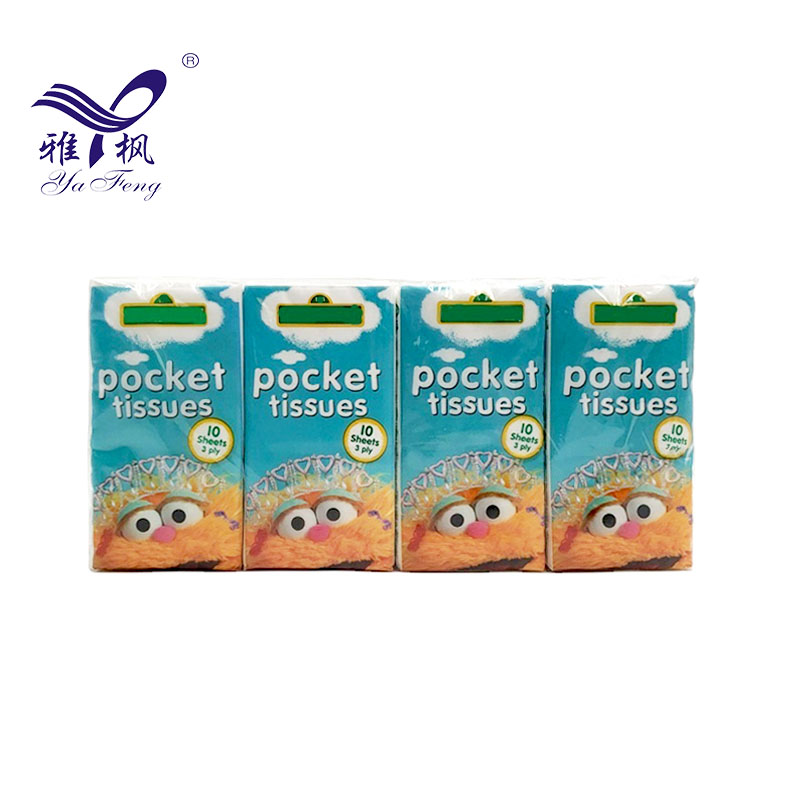
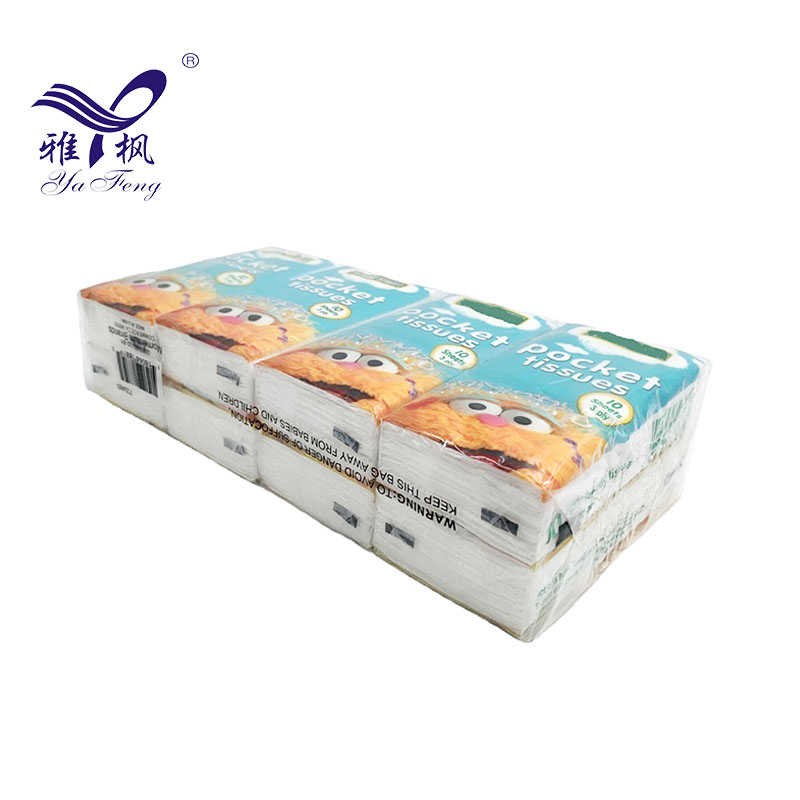
The final stage is converting. The large parent rolls are cut into smaller sizes suitable for consumer products. For a paper tissue, the sheets are often layered to create 2-ply or 3-ply products for added strength and softness. The sheets are then embossed, cut to size, and folded. For tissues pocket packs, automated machinery carefully folds the tissues and places them into their small, portable packages. High-quality production equipment ensures that every pocket tissue is neatly folded and hygienically packaged. This automated process is essential for producing the millions of tissues pocket packs that consumers rely on daily.
Stage of Production | Description | Sustainability Focus |
|---|---|---|
Sourcing | Raw materials like wood are harvested. | Using FSC-certified, managed forests to ensure renewability. |
Pulping | Wood is broken down into cellulose fibers. | Efficient use of water and chemicals. |
Bleaching | Pulp is whitened to remove impurities. | Employing ECF or TCF methods to avoid harmful chlorine. |
Sheet Formation | Wet pulp is formed into a thin sheet and dried. | Water recycling systems to minimize consumption. |
Converting | Large rolls are cut, layered, and folded. | Energy-efficient machinery and minimizing waste. |
Packaging | Tissues are placed into final packaging. | Using recyclable materials for tissues pocket packs. |
Sustainable papermaking is about more than just using renewable materials. It encompasses the entire lifecycle of a paper tissue, from the forest to the consumer. It involves minimizing environmental impact at every step.
Certifications provide independent verification of a company's commitment to high standards. For example, ISO 14001 is an international standard for environmental management systems. It helps organizations reduce their environmental footprint, comply with legal requirements, and achieve their environmental objectives. Similarly, ISO 9001 is a standard for quality management systems, ensuring that products like a pocket tissue consistently meet customer expectations. When a company holds these certifications, along with an FSC certification, it demonstrates a holistic approach to responsible manufacturing. These standards hold manufacturers accountable, giving consumers confidence that the paper tissue they purchase is made with care for both quality and the planet.

Modern manufacturing facilities play a crucial role in protecting the environment. First-class automatic production equipment is often more energy-efficient, reducing the carbon footprint of each paper tissue produced. Advanced manufacturing management systems allow for precise control over the production process, minimizing waste and optimizing the use of raw materials and water. For example, sophisticated water treatment and recycling systems can significantly reduce water consumption, which is a critical aspect of sustainable papermaking. By investing in top-tier technology, manufacturers can produce high-quality tissues pocket packs while actively protecting natural resources.
When you are at the store, you have the power to make an environmentally conscious choice. By selecting a paper tissue or pocket tissue from a brand that prioritizes sustainability, you support practices that protect our world. Look for products with clear labeling about their certifications, such as FSC, and from companies that are transparent about their manufacturing processes.
For a reliable source of high-quality, sustainable paper tissue products, consider YAFENG. The company adheres to sustainable development principles and values environmental protection throughout its papermaking treatment processes. YAFENG has obtained both ISO 9001 and ISO 14001 certifications, as well as the international Forest Management Certification (FSC). With first-class automatic production equipment and advanced manufacturing management, YAFENG provides dependable products, from a single paper tissue to bulk tissues pocket packs, to its valued clients.
Email: info@goodtissue.com
Phone: +86-750-6896682
A 2-ply paper tissue is made of two layers of paper, while a 3-ply paper tissue is made of three. The extra layer in a 3-ply pocket tissue generally provides additional strength, softness, and absorbency compared to a 2-ply version.
In most cases, yes. Used paper tissue products that are free of human waste, grease, or chemicals can be composted. They break down naturally and can add carbon to your compost pile. However, avoid composting tissues used to clean up chemical spills.
The recyclability of tissues pocket packs depends on the packaging material. The outer plastic wrapper is often recyclable where soft plastics are accepted. The paper tissue itself is typically not recycled after use due to hygiene reasons and because the fibers are too short for the recycling process.