TEL: +86-750-6896682 Email:info@goodtissue.com

 English
Views: 0 Author: Site Editor Publish Time: 2026-01-27 Origin: Site


Have you ever wondered if the products you use to clean your face or hands are actually keeping you safe from bacteria? While traditional hygiene products wipe away visible dirt, they often fail to address the invisible threats lingering on surfaces. This is where advanced solutions come into play. Bacteriostatic technology represents a significant leap forward in personal hygiene, offering a layer of protection that goes beyond simple cleaning.
In this article, we will explore the science behind this innovative material, how it differs from standard options, and why it is becoming a crucial part of modern hygiene routines. We will also discuss how specific technologies, like Eleten Technology, are revolutionizing the production of essential items like tissue paper, paper hand towels, and pocket tissue.
Bacteriostatic tissue is not just ordinary paper. It is a specialized hygiene product designed to inhibit the growth and reproduction of bacteria. Unlike bactericidal agents that kill bacteria outright, bacteriostatic agents prevent bacteria from multiplying. This distinction is vital because it allows for a more controlled and sustained approach to hygiene without the heavy chemical load often associated with sterilization.
The primary goal of bacteriostatic tissue paper is to provide a surface that remains hygienic even after exposure to the environment. When you use a standard pocket tissue, it can quickly become a breeding ground for germs once it absorbs moisture. Bacteriostatic versions prevent this rapid colonization, ensuring that the tissue paper remains safer to handle and use. This technology is particularly relevant in high-traffic areas where paper hand towels are frequently used, such as public restrooms, hospitals, and schools.
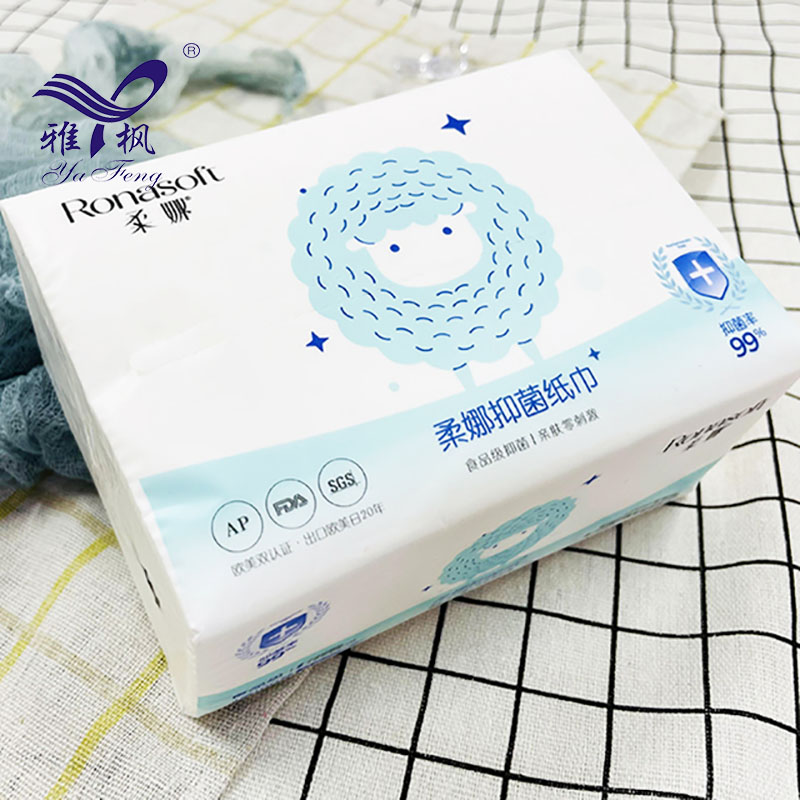
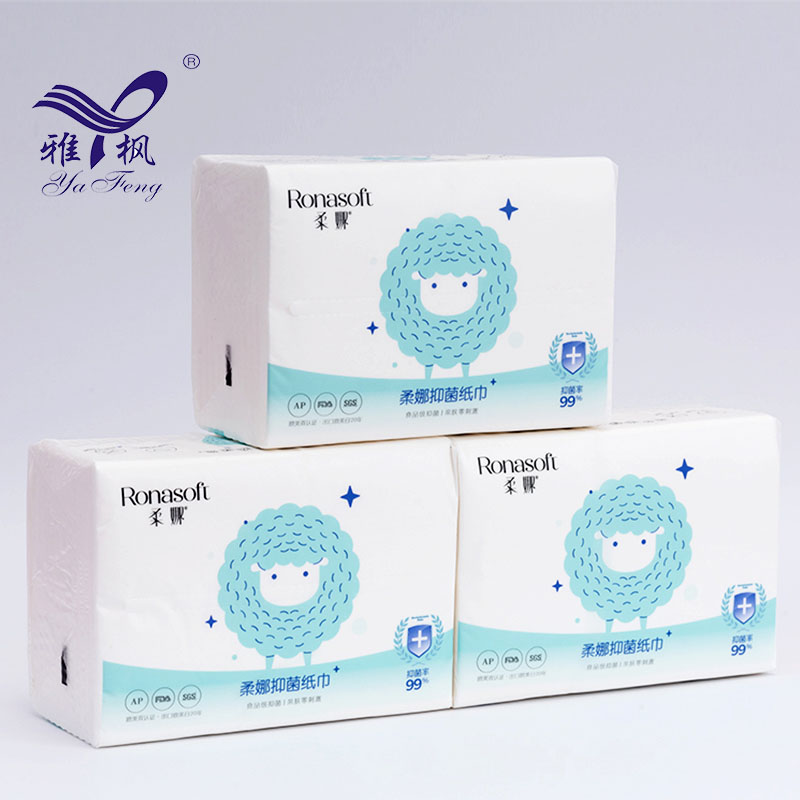
To understand the effectiveness of bacteriostatic tissue paper, we must look at the technology used to create it. A prime example is the use of Eleten Technology, also known as Nanocapsule Zero-Degree Decomposition Technology. But how does this sophisticated process actually function during manufacturing?
The process begins in a vacuum state. Through ultrasonic hitting, bacteriostatic drugs are broken down into a nano-level size. These microscopic particles are then wrapped in special capsules. This encapsulation is the secret to the technology's success. During the papermaking process, these bacteriostatic capsules are introduced into the pulp.
Because there is a capsule wrapping, the bacteriostatic drug is not released prematurely to contaminate the pulp. Instead, the capsules are evenly embedded within the paper fiber. This precise method ensures that the active ingredients remain dormant until they are needed, preserving the integrity of the tissue paper while maximizing its protective qualities.
One of the most impressive aspects of this technology is its efficiency. How can such a small amount of active ingredient produce such significant results? Traditional sterilization methods often require large quantities of chemicals to achieve a high kill rate, which can be harsh on the skin and the environment.
With nano-encapsulation, the efficiency is dramatically improved. One ton of tissue paper only needs about 0.48 grams of bacteriostatic solution. Because the agent is delivered via nano-capsules, it covers a vast surface area within the fiber network without needing bulk volume.
This means the amount of bacteriostatic agent used is significantly lower than that found in traditional sterilization hygiene products. Despite this reduction, the bacteriostatic rate can still achieve levels of more than 90%. This efficiency makes bacteriostatic paper hand towels and pocket tissue not only safer for the user but also more sustainable for manufacturers.
When choosing between standard options and advanced hygiene products, it helps to see a direct comparison. How do bacteriostatic tissue paper products stack up against the regular tissue paper you might find in a supermarket?
Feature | Traditional Tissue Paper | Bacteriostatic Tissue Paper |
|---|---|---|
Primary Function | Cleaning and absorption | Cleaning, absorption, and bacteria inhibition |
Bacteria Growth | Can support bacterial growth after moisture absorption | Inhibits bacterial reproduction (90%+ rate) |
Chemical Load | varies; often uses bleach or fragrances | Extremely low dosage (0.48g per ton) |
Technology | Standard pulping and bleaching | Nano-encapsulation (Eleten Technology) |
Safety | Generally safe but no active protection | Active protection against germ proliferation |
Ideal Use Case | General wiping | High-hygiene areas, facial care, wound dabbing |
This table illustrates why switching to bacteriostatic paper hand towels or pocket tissue can be a smart move for health-conscious individuals.
Public restrooms are notorious for harboring germs. When you wash your hands, the drying process is just as critical as the washing process. If you use a contaminated air dryer or a low-quality paper towel, you might reintroduce bacteria to your clean hands. So, why are bacteriostatic paper hand towels the superior choice in these environments?
Using paper hand towels treated with bacteriostatic technology ensures that the drying medium itself is not a vector for contamination. The embedded nanocapsules work to keep the bacterial count low on the paper surface. This is crucial in environments like offices or restaurants where multiple people access the same dispensers. By inhibiting bacterial growth, these paper hand towels provide an extra safety net, completing the hand hygiene loop effectively.

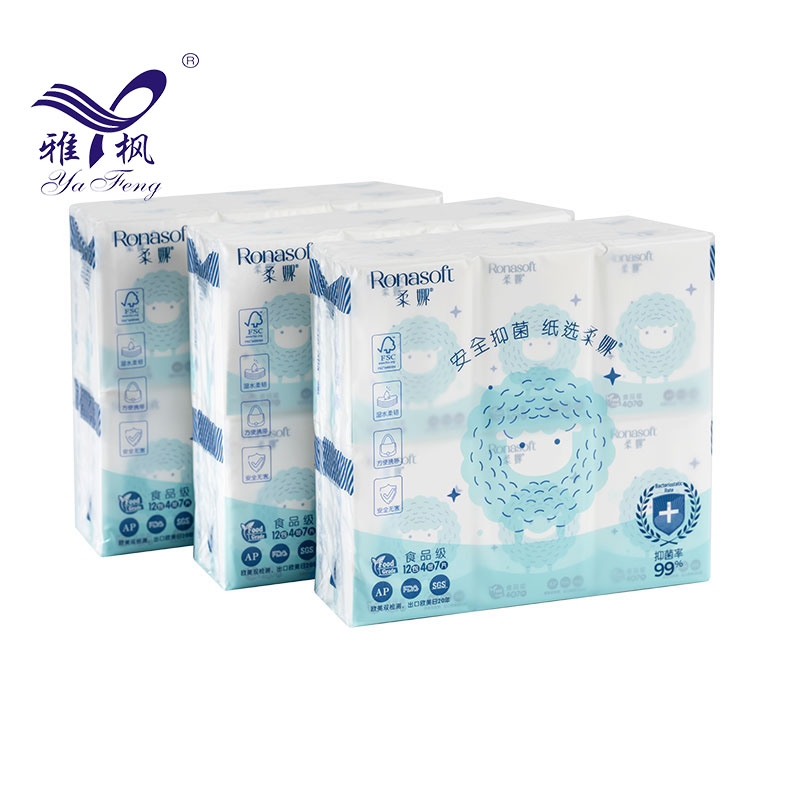
We often carry pocket tissue packs in our bags, cars, or pockets for days or even weeks. During this time, the packaging can become compromised, or moisture can seep in. How does bacteriostatic technology protect you in these everyday scenarios?
A standard pack of pocket tissue can accumulate bacteria simply from handling or exposure to humid air. When you eventually use that tissue paper to wipe your nose or clean a spill, you might be using a product that isn't as clean as it looks. Bacteriostatic pocket tissue mitigates this risk. The embedded capsules ensure that even if the tissue sits in your pocket for a week, the fiber network remains hostile to bacterial reproduction. This makes pocket tissue an essential item for travel, parenting, and daily commuting.
Safety is a primary concern when introducing active agents into products that touch our skin. Since this tissue paper contains a bacteriostatic solution, is it safe for sensitive areas, such as the face?
The answer lies in the delivery method. Because the bacteriostatic drug is wrapped in a capsule and the overall dosage is incredibly low (0.48 grams per ton), the exposure to the user is minimal. The technology relies on the physical presence of the nano-agent within the fiber to inhibit bacteria, rather than releasing large amounts of chemicals onto the skin.
This makes bacteriostatic tissue paper gentle enough for frequent use. Whether you are using paper hand towels to dry your face or pocket tissue for a runny nose, the risk of irritation is significantly lower compared to products soaked in heavy liquid sanitizers. The tissue paper retains its softness and absorbency while providing invisible protection.
From a manufacturing perspective, integrating new technologies can often be disruptive. However, the method described—adding capsules during the papermaking process—is elegant in its simplicity. How does this affect the production of paper hand towels?
The capsules are added when the material is still pulp. Because of the protective wrapping, the bacteriostatic drug does not contaminate the pulp mixture itself. This allows the factory to produce tissue paper without needing extensive decontamination of their machinery afterward. The capsules are evenly distributed into the paper fiber naturally as the sheet forms. This seamless integration means that high-quality bacteriostatic paper hand towels can be produced efficiently without compromising the structural integrity or softness of the final product.
Sustainability is a massive topic in the paper industry. Does the production of bacteriostatic tissue paper align with green goals?
Yes, primarily due to the reduction in chemical usage. As mentioned, the required amount of bacteriostatic solution is minute compared to traditional methods. Reducing chemical inputs decreases the environmental footprint of the manufacturing process. Furthermore, because the tissue paper stays hygienic for longer, there is less waste associated with discarding unused but potentially contaminated tissues.
By using highly efficient technologies like nanocapsules, the industry can offer superior paper hand towels and pocket tissue without heavily taxing the environment with chemical runoff or excessive raw material consumption.

The versatility of this product is vast. Where exactly should you be implementing bacteriostatic tissue paper?
Kitchens: Use bacteriostatic paper hand towels to dry hands while cooking to prevent cross-contamination between raw foods and ready-to-eat meals. Bathrooms: Replace standard rolls with bacteriostatic tissue paper for enhanced personal hygiene. Nurseries: Babies have sensitive immune systems. Using bacteriostatic pocket tissue for quick cleanups can reduce their exposure to germs. Office Desks: Keep a box of bacteriostatic tissue paper handy for sneezing or wiping down surfaces. Gym Bags: A pack of bacteriostatic pocket tissue is perfect for wiping sweat without worrying about bacteria multiplying in the damp tissue.
Consistency is key to quality. If the bacteriostatic agent were clumped in one spot, the rest of the tissue paper would be unprotected. How does the nanocapsule method solve this?
The "vacuum state ultrasonic hitting" process creates particles of a uniform, nano-level size. When these are introduced to the pulp, they behave almost like a fluid, dispersing thoroughly throughout the mixture. As the tissue paper fibers bond to create the sheet, the capsules are trapped evenly across the entire surface area. This guarantees that every sheet of paper hand towels or pocket tissue you pull from the box has the same high level of protection, offering peace of mind with every use.
The development of nanocapsule zero-degree decomposition technology is just the beginning.
We can expect to see further refinements in encapsulation, allowing for even lower dosages or the integration of other beneficial properties, such as moisturizing agents or natural scents, without compromising the bacteriostatic function. The market for paper hand towels and pocket tissue will likely shift towards these "functional papers" that offer health benefits beyond simple absorption. As consumers become more hygiene-conscious, the demand for tissue paper that actively contributes to health will drive further innovation.
When looking for reliable bacteriostatic products that utilize this advanced Nanocapsule Zero-Degree Decomposition Technology, it is important to choose a manufacturer with a proven track record.
Yafeng stands out as a leader in this field. By utilizing Eleten Technology, Yafeng ensures that their tissue paper, paper hand towels, and pocket tissue products meet the highest standards of hygiene and efficiency. Their process of embedding nano-level bacteriostatic capsules into the paper fiber ensures a 90% bacteriostatic rate while maintaining safety and environmental responsibility. If you are looking for tissue paper that truly protects, Yafeng is the brand to trust. Frequently Asked Questions
The main benefit is that it inhibits the growth of bacteria on the tissue itself. This makes tissue paper safer to use, especially in environments where germs are prevalent, as it prevents the tissue from becoming a breeding ground for bacteria after moisture absorption.
No, the dosage is extremely low—only 0.48 grams per ton of paper. The active agent is encapsulated and embedded in the fiber, making it safe for skin contact. Whether you use pocket tissue or paper hand towels, the risk of irritation is minimal.
While they are excellent for drying hands to prevent cross-contamination, you should always check the specific product packaging for food-contact safety certifications. However, for general hygiene around the kitchen, bacteriostatic paper hand towels are a superior choice to standard towels.
The technology involves wrapping nano-sized bacteriostatic drugs in capsules. These are embedded into the pocket tissue fibers during manufacturing. They remain dormant until needed, ensuring the tissue stays hygienic even when carried around in your pocket or bag for extended periods.
Yafeng utilizes advanced Eleten Technology to embed bacteriostatic capsules into the paper fiber. This results in highly effective tissue paper and paper hand towels with a bacteriostatic rate of over 90%, using minimal chemical agents for a safer and more eco-friendly product.
For more information on our products or to place an order, please contact us:
Email: info@goodtissue.com
Phone: +86-750-6896682


