TEL: +86-750-6896682 Email:info@goodtissue.com

 English
Views: 0 Author: Site Editor Publish Time: 2025-12-29 Origin: Site


In daily life, few hygiene products are as widely used as the paper napkin. Whether at restaurants, homes, offices, or outdoor events, the paper napkin plays a crucial role in cleanliness and comfort. Alongside the handkerchief tissue and pocket tissue, these disposable paper products have become everyday essentials across cultures and lifestyles.
This article offers a comprehensive look at the paper napkin, explains how it compares with handkerchief tissue and pocket tissue, and explores usage scenarios, materials, benefits, and buying considerations.
A paper napkin, also known as a serviette or face towelette, is a square piece of disposable paper tissue used at the table for wiping the mouth and fingers while eating. A paper napkin may also be tucked into a shirt collar as a bib, especially for children or during formal dining. Typically folded and lightweight, a paper napkin can come in various colors, layers, textures, and decorative designs.
Unlike a handkerchief tissue, which is usually designed for facial wiping, or a pocket tissue, which emphasizes portability, the paper napkin focuses mainly on dining and surface cleaning needs.
Although they belong to the same tissue family, each product serves a slightly different purpose.
| Product Type | Primary Use | Key Features | Common Scenarios |
|---|---|---|---|
| Paper napkin | Dining & wiping hands | Thicker, absorbent, folded | Restaurants, parties, home meals |
| Handkerchief tissue | Facial hygiene | Soft, skin-friendly | Nose wiping, makeup cleanup |
| Pocket tissue | On-the-go hygiene | Compact, portable packs | Travel, outdoor use, commuting |
A paper napkin is usually sturdier than a handkerchief tissue, while a pocket tissue prioritizes convenience. Many households and businesses stock all three.
A high-quality paper napkin is usually made from virgin wood pulp or recycled paper pulp. Advanced production processes ensure softness while maintaining strength. Compared with handkerchief tissue and pocket tissue, a paper napkin often has higher wet strength, making it suitable for wiping food residue and liquids.
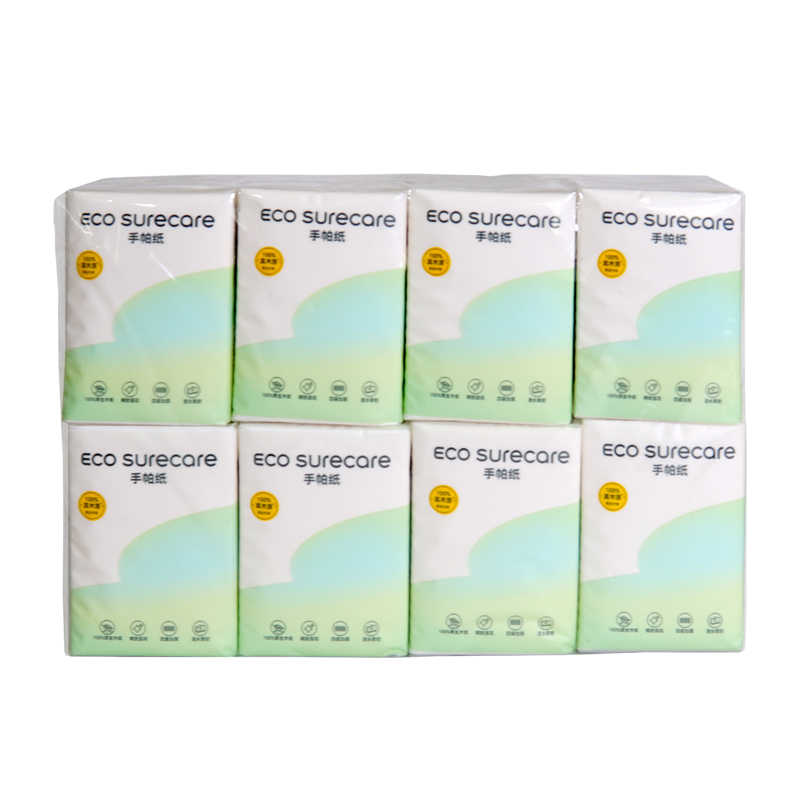
High absorbency
Tear resistance
Food-grade safety
Eco-friendly options
Premium paper napkin products are also dust-free and odorless, similar to quality handkerchief tissue and pocket tissue.
The paper napkin is incredibly versatile. Common applications include:
Wiping hands and mouth during meals
Cleaning spills on tables
Acting as a temporary bib
Serving as a base for snacks
Decorative table settings
In comparison, handkerchief tissue is better suited for skin contact, while pocket tissue is ideal for emergencies outside the home. Still, the paper napkin remains irreplaceable in food-related environments.
Restaurants, cafés, and catering businesses rely heavily on the paper napkin. Unlike reusable cloth napkins, a paper napkin offers hygiene, convenience, and cost efficiency.
Single-use sanitation
Easy disposal
Branding opportunities through printing
Although handkerchief tissue and pocket tissue may appear in dining areas, the paper napkin remains the industry standard.
Modern paper napkin manufacturing increasingly focuses on sustainability. Many producers offer biodegradable or recycled paper napkin options. Similarly, eco-friendly handkerchief tissue and pocket tissue products are becoming more common.
FSC-certified pulp
Chlorine-free processing
Reduced packaging waste
Paper Napkin Folding and Presentation
A paper napkin is often folded in decorative ways to enhance table aesthetics. Common folding styles include fan folds, pocket folds, and floral designs. Unlike handkerchief tissue or pocket tissue, the paper napkin plays both a functional and decorative role.
This dual purpose makes the paper napkin essential for formal dining and events.
At home, a paper napkin complements handkerchief tissue and pocket tissue by handling food-related messes. During travel, compact paper napkin packs are often carried alongside pocket tissue for maximum convenience.
Paper napkin in dining areas
Handkerchief tissue in bathrooms
Pocket tissue in bags and cars
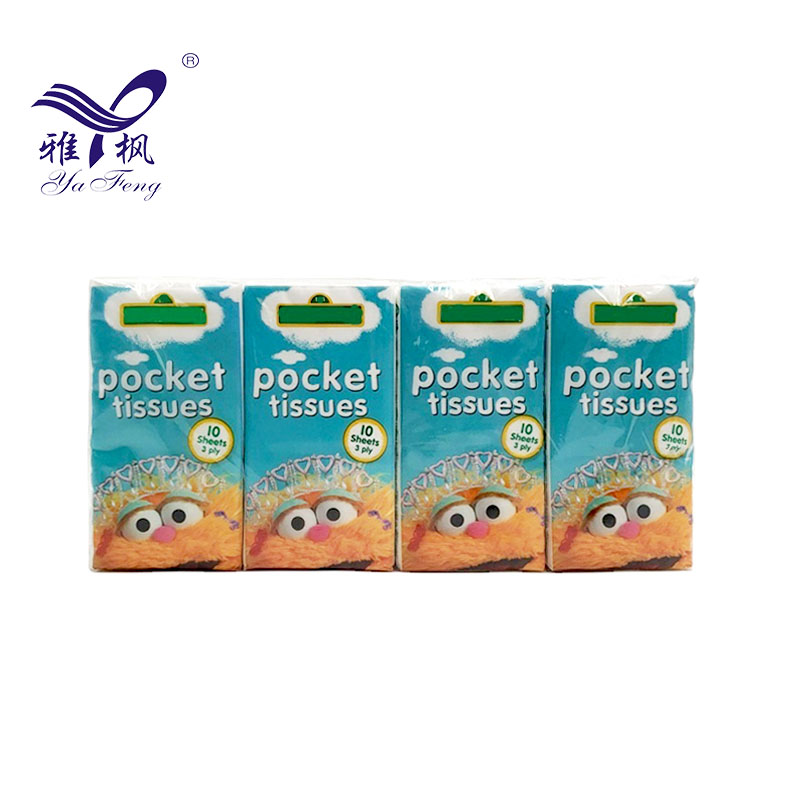

Ply count (1-ply, 2-ply, or 3-ply)
Absorbency level
Size and fold
Safety for food contact
Compatibility with dispensers
The same thoughtful approach applies when choosing handkerchief tissue or pocket tissue, especially for sensitive skin.
A paper napkin is a disposable paper tissue used mainly for wiping the mouth and hands while eating. It can also be used as a bib or for cleaning small spills.
A paper napkin is thicker and designed for food use, while handkerchief tissue is softer and intended for facial hygiene.
Pocket tissue is designed for portability and quick hygiene needs outside the home.
A paper napkin can work in emergencies, but pocket tissue is more compact and skin-friendly.
Yes, food-grade paper napkin products are safe and widely used in food service.


From dining tables to travel bags, the paper napkin remains an indispensable part of everyday life. Together with handkerchief tissue and pocket tissue, it forms a complete hygiene solution for homes, businesses, and public spaces.
If you are looking for reliable, high-quality paper napkin, handkerchief tissue, and pocket tissue products, YaFeng is a trusted choice committed to quality, safety, and consistent supply.
Email: info@goodtissue.com
Phone: +86-750-6896682


