TEL: +86-750-6896682 Email:info@goodtissue.com

 English
Views: 0 Author: Site Editor Publish Time: 2026-09-29 Origin: Site


Choosing between virgin pulp and recycled tissue is one of the most consequential decisions a commercial buyer makes when stocking restrooms, break rooms, or hospitality suites. The wrong choice can mean more complaints, more frequent restocking, and a guest experience that falls short of expectations. This guide breaks down what separates these two paper types, why the distinction matters at scale, and how to match each option to the right setting.
Facility managers, hotel groups, and distributors often default to whichever product is cheapest per case. But cost per case rarely tells the full story. Softness, strength, dust levels, and how a product performs in high-traffic dispensers all factor into the real cost of ownership. A cheaper roll that tears constantly or clogs plumbing ends up costing more in labor, waste, and reputation than a slightly pricier alternative that performs consistently.
This article walks through the manufacturing differences behind virgin pulp and recycled tissue, compares them side by side, and offers guidance on which one suits different commercial environments. By the end, you'll have a clear framework for making sourcing decisions that hold up across budget reviews and guest satisfaction surveys alike.
Virgin pulp comes directly from freshly harvested wood fibers, processed without any prior use. Recycled tissue, by contrast, is made from reclaimed paper fibers that have already been through at least one manufacturing cycle. This single difference in raw material cascades into nearly every performance metric that matters to a commercial buyer.
Fresh fibers are longer and more intact than reprocessed ones. Every time paper fiber goes through a recycling cycle, it shortens and weakens slightly. That's why products built on 100% virgin wood pulp tend to feel noticeably softer and hold together better under moisture, while recycled tissue often feels coarser and breaks down faster when wet.
Sourcing practices matter too. Reputable manufacturers now pair virgin fiber production with FSC (Forest Stewardship Council) certification, which verifies that the wood comes from responsibly managed forests. This addresses one of the biggest objections buyers raise about virgin pulp: the assumption that it's inherently less sustainable than recycled alternatives. Certified sourcing closes much of that gap.
A single torn sheet in a home bathroom is a minor annoyance. In a hotel with 200 rooms or an office building with 500 employees, inconsistent tissue quality multiplies into a steady stream of complaints, maintenance calls, and reordering headaches.
Commercial dispensers also put unique demands on paper. High-capacity roll systems and interfold dispensers rely on consistent sheet separation. Weak or dusty fibers, more common in lower-grade recycled tissue, jam dispensers and lead to overuse as guests pull extra sheets to compensate for thinness. This is one reason many commercial buyers looking for virgin pulp toilet paper find that the higher upfront cost is offset by lower consumption per use and fewer maintenance interruptions.


The table below summarizes the core differences buyers should weigh when evaluating suppliers.
Factor | Virgin Pulp | Recycled Tissue |
|---|---|---|
Fiber source | Freshly harvested wood pulp | Reprocessed paper waste |
Softness | Consistently soft and smooth | Often coarser, varies by batch |
Strength (wet/dry) | High tensile strength | Lower, prone to tearing |
Dust/lint levels | Minimal | Higher, depending on processing |
Dispenser performance | Reliable sheet separation | More jams and waste |
Sustainability certification | Available via FSC-certified sourcing | Varies by manufacturer |
Typical cost per case | Moderate to higher | Lower |
Best suited for | Hospitality, healthcare, premium offices | Budget-conscious, low-traffic facilities |
Neither option is universally "better." The right choice depends on the traffic volume, guest expectations, and sustainability commitments of the specific facility making the purchase.
Hotels, hospitals, and high-end office buildings tend to gravitate toward virgin fiber products because guest and patient experience is directly tied to comfort. A scratchy or thin tissue in a five-star hotel bathroom undermines the entire stay, regardless of how well the rest of the room is furnished.
Manufacturers like Jiangmen Yafeng Paper Industry Co., Ltd., which has produced household paper products for more than two decades, build their reputation on this exact use case. Their FSC-certified virgin tissue paper line is designed specifically to deliver the softness and strength that hospitality and healthcare buyers expect, while still meeting responsible sourcing standards that procurement teams increasingly require.
For distributors serving these markets, sourcing from a manufacturer with established OEM and ODM capabilities also matters. It means private-label packaging, custom specifications, and consistent supply can all be handled through a single relationship rather than juggling multiple vendors.

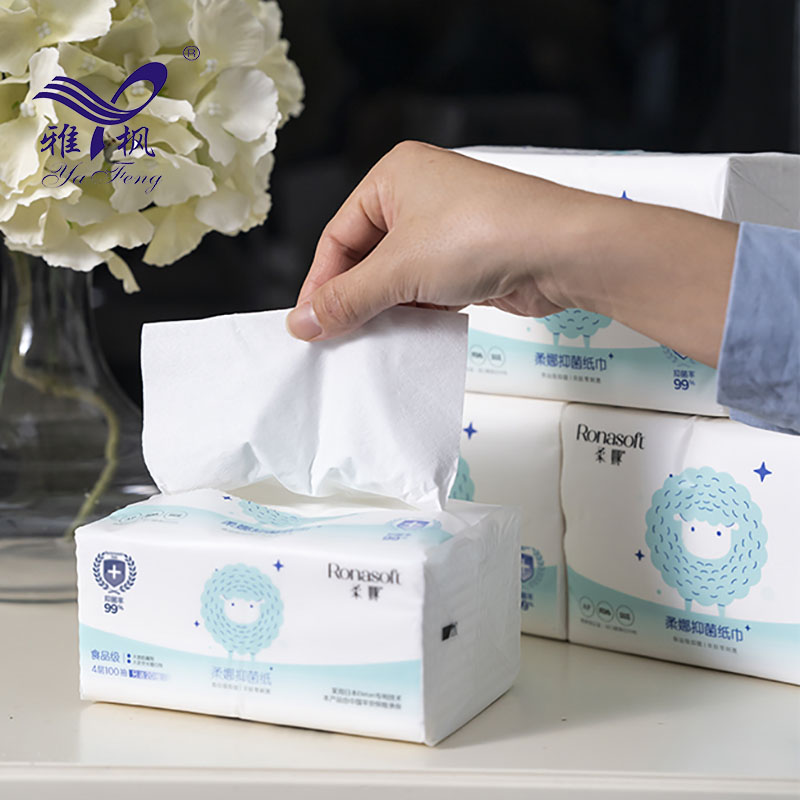
Recycled tissue isn't a lesser product across the board. For back-of-house facilities, warehouses, construction sites, or budget-tier lodging where guest comfort is a lower priority than cost control, recycled options can deliver adequate performance at a lower price point. Buyers managing tight per-unit budgets across large facility portfolios often blend both product types, reserving virgin pulp for guest-facing areas and recycled tissue for lower-visibility spaces.
Commercial buying decisions aren't limited to restroom dispensers. Hospitality groups, corporate offices, and event planners increasingly stock portable tissue formats for meeting rooms, welcome kits, and guest amenities. A portable virgin wood pulp pocket tissue option gives facilities a convenient, premium-feeling product to hand out without compromising on the softness standards set by their in-room supplies. Matching pocket tissue quality to the same fiber standard as restroom stock keeps the guest experience consistent across every touchpoint.
There's no single answer to the virgin pulp versus recycled tissue debate. Buyers managing guest-facing spaces, healthcare settings, or premium offices generally get better long-term value from virgin fiber products, even at a higher per-case cost, because of reduced waste, fewer complaints, and stronger dispenser performance. Buyers focused purely on cost control in low-visibility facilities may find recycled tissue meets their needs adequately.
The most reliable path forward is working with a manufacturer that can supply both product tiers, backed by certifications like FSC and manufacturing experience spanning decades. That flexibility lets facility managers match the right product to the right space without switching suppliers every time priorities shift.
Is virgin pulp toilet paper worth the extra cost for a commercial facility?
For guest-facing environments like hotels and healthcare facilities, yes. The added durability and softness reduce overuse and complaints, often offsetting the higher price per case over time.
Does virgin pulp production mean more deforestation?
Not when sourced responsibly. FSC certification ensures the wood pulp comes from forests managed under strict sustainability standards, addressing this common concern.
Can a facility mix virgin pulp and recycled tissue products?
Yes. Many commercial buyers use virgin pulp in guest-facing restrooms and reserve recycled tissue for lower-traffic, back-of-house areas to balance cost and experience.
What should distributors look for in a tissue paper manufacturer?
Look for established production history, FSC certification, OEM/ODM capability for private labeling, and a product range that covers both premium and budget tiers.


