TEL: +86-750-6896682 Email:info@goodtissue.com

 English
Views: 0 Author: Site Editor Publish Time: 2026-08-13 Origin: Site


TL;DR:
Tissue paper comes in several distinct forms—facial tissue, toilet paper, kitchen paper, napkins, pocket tissue, and hand towel paper—each designed for a specific hygiene or cleaning purpose. Understanding the differences helps households and businesses choose the right product for every situation.
Tissue paper is one of those everyday essentials that rarely gets a second thought—until you reach for the wrong kind. Grabbing a kitchen roll to wipe your face or using facial tissue to clean up a cooking spill seems harmless, but each product is actually engineered for a specific task. The fiber structure, ply count, absorbency, and softness all vary significantly across categories.
This guide breaks down the most common types of tissue papers, explains what sets them apart, and covers why having the right tissue in the right place genuinely matters—for hygiene, efficiency, and cost.
Tissue paper is a broad term covering a wide range of lightweight, disposable paper products. While they all share a common raw material base—typically wood pulp—their manufacturing processes and intended functions differ considerably.
Here is a quick reference overview of the most widely used tissue types:
Tissue Type | Primary Use | Typical Ply | Key Feature |
|---|---|---|---|
Facial Tissue (Box) | Face, nose, and eye care | 2–4 ply | Ultra-soft, skin-friendly |
Facial Tissue (Soft Pack) | On-the-go personal hygiene | 2–4 ply | Compact, portable |
Toilet Paper | Bathroom hygiene | 2–4 ply | Dissolves quickly in water |
Kitchen Paper | Spill absorption, food prep | 2 ply | High absorbency, durable wet |
Hand Towel Paper | Hand drying in washrooms | 1–2 ply | Fast-drying, lint-free |
Napkin Tissue | Table dining, food service | 1–2 ply | Decorative, functional |
Pocket Tissue | Portable daily use | 2–3 ply | Compact, sealed packaging |
Each category serves a distinct function, and substituting one for another often means getting a worse result—or wasting more product than necessary.


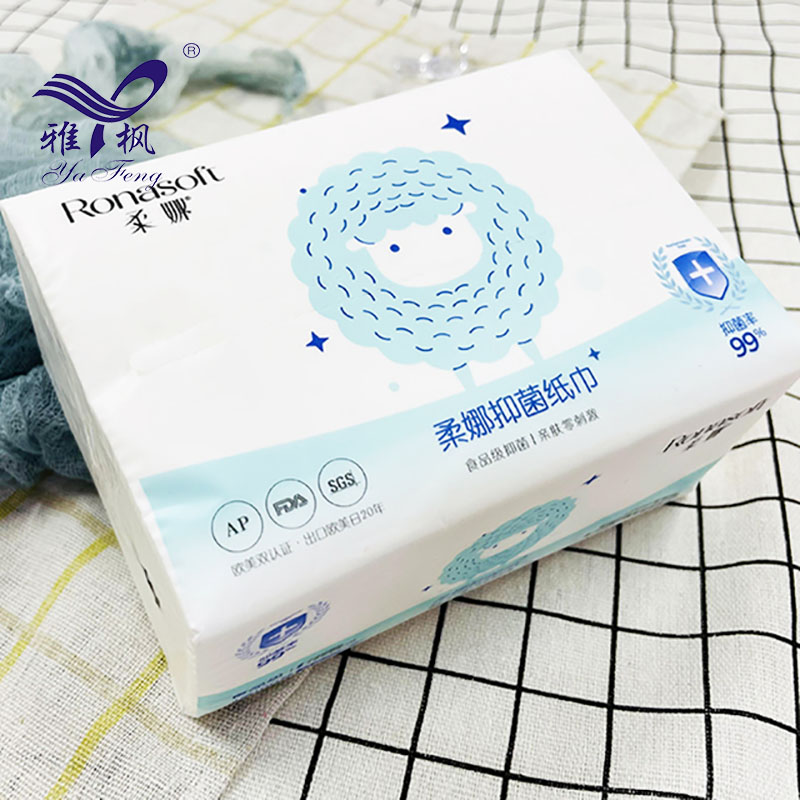
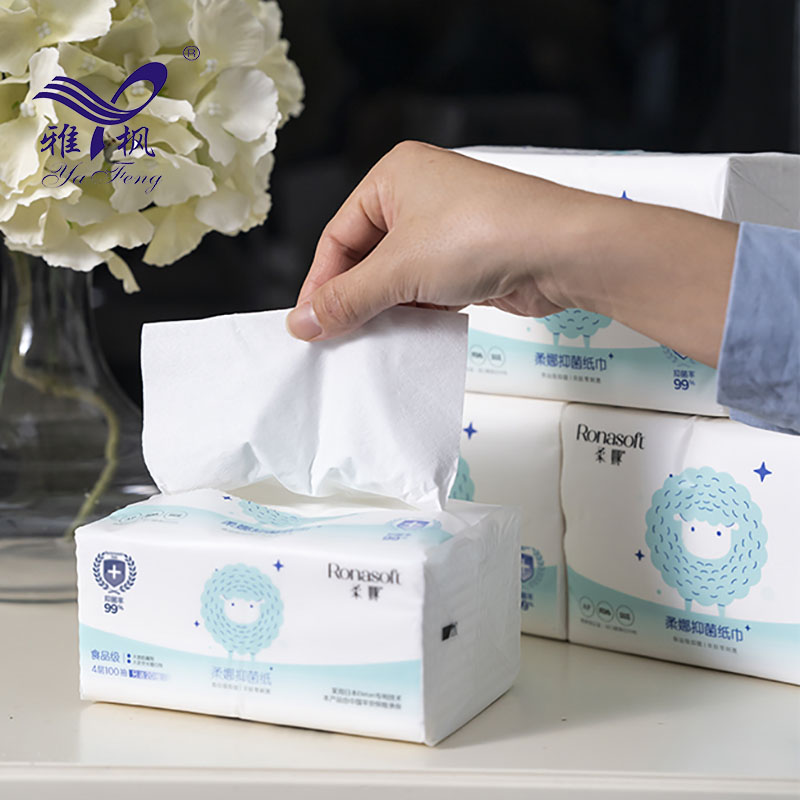
Facial tissue—available in both box and soft-pack formats—is designed with skin contact in mind. Manufactured from 100% virgin wood pulp, premium facial tissue delivers a gentler feel than recycled-fiber alternatives. At Yafeng Paper (Ronasoft), facial tissues are produced using bacteriostatic technology, which actively inhibits bacterial growth on the surface of each sheet. This makes them a smart choice for anyone who blows their nose frequently or has sensitive skin.
Box tissues sit neatly on a desk or nightstand, while soft-pack versions fit easily into a bag or pocket. Both formats are available in 2-ply and 4-ply options, with higher ply counts offering greater softness and durability per sheet.
Understanding what is the tissue roll used for goes beyond the obvious. Toilet paper is specifically engineered to break down quickly when flushed, which is why it differs structurally from kitchen paper or facial tissue. Using the wrong tissue type in a bathroom setting can cause plumbing issues over time.
High-quality toilet paper—like the 4-ply virgin wood pulp rolls offered by Yafeng Paper—balances softness with the tensile strength needed for reliable use. The key is finding a product that feels comfortable without leaving lint or residue.
Kitchen paper (also called paper towels) prioritizes absorbency and wet strength over softness. It needs to handle grease, water, food debris, and general cleaning tasks without falling apart. Yafeng Paper's TAD (Through-Air Dried) kitchen tissue uses a specialized drying process that increases absorbency while maintaining a strong, reusable feel—meaning a single sheet can often do the work of two or three standard sheets.
Hand towel paper is built for commercial and institutional environments—offices, restaurants, hotels, and public restrooms. The goal is fast, effective hand drying with minimal lint. Dispenser-compatible formats, such as C-fold, Z-fold, and 5-fold sheets, allow for controlled dispensing, which reduces waste in high-traffic settings.
Napkins serve a dual role: functional food cleanup and a presentable dining experience. They range from simple 1-ply single-fold napkins used in fast food settings to multi-ply printed options suited to formal dining. Pocket tissues, meanwhile, are the everyday carry essential—sealed in compact packaging that keeps each sheet clean and ready to use.
The raw material behind a tissue product shapes everything—softness, strength, absorbency, and even skin compatibility. Yafeng Paper manufactures its full product range using 100% virgin wood pulp, which means no recycled content that could compromise texture or introduce contaminants. The brand also holds FSC (Forest Stewardship Council) certification, confirming that its wood pulp is sourced from responsibly managed forests.
This commitment to sustainable sourcing matters more than it might seem. It means that every tissue product—from a pocket pack to a bulk roll of toilet paper—is produced with environmental accountability built into the supply chain.
Understanding the importance of tissue paper extends well beyond convenience. Tissue products are fundamental hygiene tools in homes, hospitals, schools, and commercial facilities worldwide. When manufactured to a consistent quality standard, they help prevent the spread of bacteria, support hand hygiene compliance, and reduce cross-contamination in food preparation environments.
The decision comes down to three factors: where the tissue will be used, who will be using it, and how frequently. A household with young children may prioritize soft, skin-friendly facial tissue and strong kitchen paper. A hotel purchasing in bulk will look for cost-effective hand towel paper and toilet rolls that maintain quality across thousands of uses. A restaurant needs napkins that look clean and presentable while handling food messes effectively.
Yafeng Paper supports OEM and ODM orders, so businesses can customize packaging, ply count, sheet size, and branding to match their exact requirements. With over 20 years of manufacturing experience and a 30,000 m² production facility in Jiangmen, China, Yafeng Paper has supplied tissue products to clients across Europe, Southeast Asia, North America, and beyond.
Facial tissue is manufactured for skin contact, prioritizing softness and strength when dry. Toilet paper is designed to dissolve quickly in water to prevent plumbing blockages. Using facial tissue as a toilet paper substitute is generally not recommended for this reason.
Kitchen paper is engineered for maximum absorbency, particularly when wet. TAD-process kitchen tissue absorbs liquids faster and holds more volume per sheet compared to standard tissue types.
Recycled-fiber tissue may contain trace impurities from the de-inking process. For skin-contact applications—particularly facial tissue—products made from 100% virgin wood pulp are recommended for better softness and safety.
FSC certification verifies that the wood pulp used in a product comes from forests managed according to strict environmental, social, and economic standards. It is a credible indicator of sustainable sourcing.
Yes. Manufacturers like Yafeng Paper offer OEM and ODM services, allowing businesses to specify custom packaging, ply count, sheet dimensions, and printed branding across the full product range.


