TEL: +86-750-6896682 Email:info@goodtissue.com

 English
Views: 0 Author: Site Editor Publish Time: 2026-02-24 Origin: Site


Kitchen paper is a disposable absorbent paper product designed specifically for household kitchen tasks. Most people recognize kitchen paper in the form of kitchen paper towels, but the term can also include kitchen cabinet paper used for lining shelves or drawers. Whether you are wiping spills, drying hands, cleaning countertops, or protecting cabinets, kitchen paper plays a central role in maintaining hygiene.
Kitchen paper towels are usually made from virgin pulp or recycled paper fibers. They are engineered for high absorbency, durability, softness, and quick disposal. Kitchen cabinet paper, on the other hand, is often thicker or coated to provide moisture resistance when placed inside cupboards.
Understanding what kitchen paper is helps you choose the right type for your kitchen needs. From daily cleaning to food preparation, kitchen paper towels remain one of the most practical disposable tools in modern homes.


Kitchen paper is essential because kitchens are high-traffic, high-moisture environments. Spills, grease splashes, water droplets, and food residue appear constantly. Kitchen paper towels provide an immediate, hygienic solution.
Rapid absorption of water and oil
Convenient single-use hygiene
Easy disposal after cleaning
Protection for surfaces when using kitchen cabinet paper
Reduced risk of cross-contamination
Kitchen paper towels are particularly helpful when handling raw meat or seafood. Instead of using reusable cloths that may harbor bacteria, kitchen paper offers a safer alternative.
Meanwhile, kitchen cabinet paper protects shelves from stains, oil marks, and moisture buildup. By lining cabinets with kitchen cabinet paper, homeowners can extend the lifespan of cabinetry and simplify cleaning routines.
Kitchen paper comes in several forms, each designed for specific functions. The three main categories include kitchen paper towels, heavy-duty kitchen paper, and kitchen cabinet paper.
| Type | Primary Use | Key Features | Ideal Application |
|---|---|---|---|
| Kitchen paper towels | Wiping spills | High absorbency, soft texture | Countertops, dishes |
| Heavy-duty kitchen paper | Grease removal | Thick, strong fibers | Frying oil cleanup |
| Kitchen cabinet paper | Shelf lining | Moisture barrier, protective layer | Cabinets, drawers |
Kitchen paper towels are the most common. They are perforated into sheets for easy tearing. Heavy-duty kitchen paper offers extra thickness for tougher messes. Kitchen cabinet paper focuses on protection rather than wiping.
Choosing the correct kitchen paper ensures better performance and cost efficiency.
Kitchen paper towels are typically produced through a pulp processing method. Wood fibers are processed into pulp, pressed into thin sheets, dried, and embossed to improve absorbency.
The embossed texture seen on many kitchen paper towels increases surface area. This enhances the ability of kitchen paper to trap moisture quickly.
Absorption speed
Wet strength
Softness
Lint resistance
Kitchen cabinet paper may include additional coatings or lamination layers to resist oil and moisture penetration.
Manufacturing innovations have improved the strength of kitchen paper while reducing material usage. This balance supports environmental efficiency without compromising performance.


Kitchen paper serves multiple purposes beyond simple wiping. Understanding its versatility highlights why kitchen paper towels are so widely used.
Kitchen paper towels absorb liquids quickly, making them ideal for:
Cleaning kitchen counters
Wiping stovetops
Drying washed vegetables
Polishing glass surfaces
Because kitchen paper is disposable, it minimizes bacterial spread compared to reusable cloths.
Kitchen cabinet paper lines the interior of cabinets to:
Prevent direct contact with wood
Absorb minor spills
Protect surfaces from oil stains
Simplify shelf cleaning
Kitchen cabinet paper is especially useful under sinks where moisture exposure is frequent.
Yes, kitchen paper towels are often used to:
Pat dry meat or fish
Drain excess oil from fried food
Cover food during microwave heating
When using kitchen paper for food contact, ensure the product is food-grade and free from harmful chemicals.
Kitchen paper towels offer several distinct benefits:
Hygiene: Single-use design reduces contamination.
Convenience: Easy storage in roll form.
Efficiency: Quick absorption saves time.
Versatility: Suitable for multiple surfaces.
Kitchen paper also reduces laundry loads since fewer cloth towels are required.
Kitchen cabinet paper provides long-term cabinet protection. Replacing kitchen cabinet paper periodically keeps cabinets clean without heavy scrubbing.
Together, kitchen paper towels and kitchen cabinet paper contribute to a cleaner, safer kitchen environment.
Many households debate whether kitchen paper is better than cloth towels. Each has advantages, but kitchen paper towels excel in hygiene.
Cloth towels require frequent washing. If not washed properly, bacteria can multiply. Kitchen paper eliminates this risk through single-use disposal.
From a cost perspective, kitchen paper may appear more expensive initially. However, the reduced cleaning time and improved hygiene often justify the investment.
Kitchen cabinet paper similarly provides protective benefits that cloth liners cannot match in moisture resistance.
Environmental impact is an important consideration. Modern kitchen paper manufacturers focus on:
Sustainable forestry sourcing
Recycled fiber content
Reduced packaging
Biodegradable materials
Consumers can look for eco-certifications when selecting kitchen paper towels.
Using kitchen paper responsibly means avoiding unnecessary waste. Tear only the required sheet size. For light spills, a half sheet of kitchen paper towels may be sufficient.
Kitchen cabinet paper can be replaced only when necessary, reducing material waste.

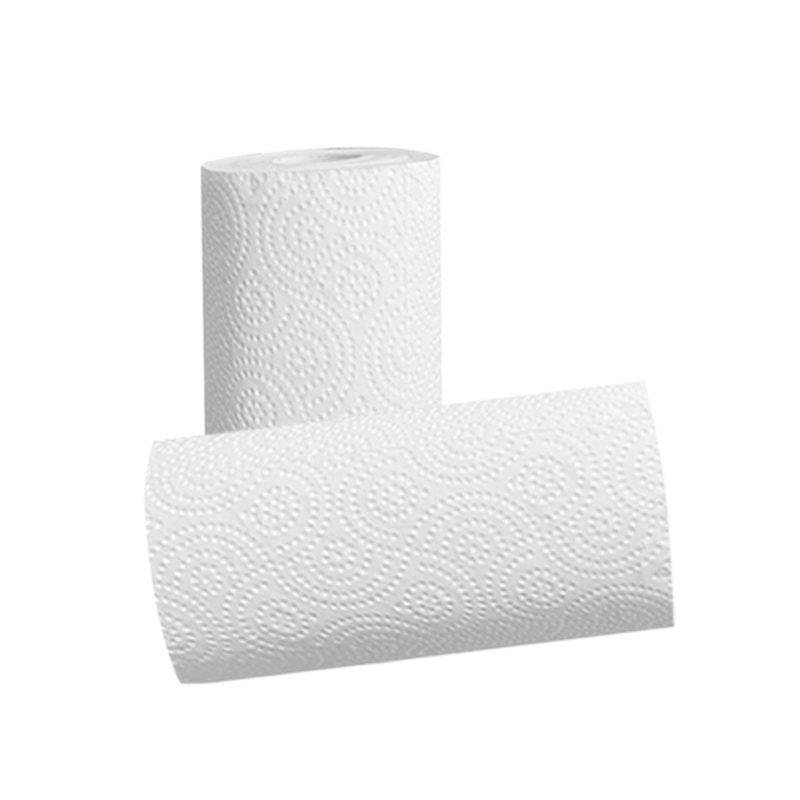
Proper storage preserves quality. Kitchen paper towels should be kept in dry, ventilated areas away from moisture.
Exposure to humidity may reduce absorbency. Kitchen cabinet paper should be stored flat to avoid creases before installation.
For convenience, many households use wall-mounted holders for kitchen paper towels. This ensures easy access during cooking.
Thickness
Absorbency
Wet strength
Sheet size
Eco-certifications
Premium kitchen paper towels often feature multi-ply construction for better durability. Kitchen cabinet paper should provide adequate moisture resistance without tearing easily.
Testing a small quantity before bulk purchasing helps ensure satisfaction.
Some users misuse kitchen paper by flushing it down toilets. Kitchen paper towels are not designed for plumbing systems.
Avoid using kitchen paper near open flames since it is flammable. Do not reuse heavily soiled kitchen paper towels, as this reduces hygiene.
When installing kitchen cabinet paper, ensure surfaces are dry and clean to maximize adhesion and performance.
Kitchen paper is mainly used for wiping spills, drying hands, cleaning surfaces, and lining cabinets. Kitchen paper towels are designed for absorption, while kitchen cabinet paper focuses on protection.
Most kitchen paper towels are safe for light food contact such as drying vegetables or absorbing oil. Always check product labeling to confirm food safety standards.
Kitchen cabinet paper should be replaced when visibly stained, damaged, or after major spills. Regular inspection ensures cabinet hygiene.
Kitchen paper towels can replace cloth towels for hygiene-sensitive tasks. However, some households still use cloth for drying clean dishes.
Many kitchen paper products are biodegradable, especially those made from natural pulp. Disposal practices influence environmental impact.
Kitchen paper remains a practical, hygienic, and versatile solution for modern kitchens. From everyday cleaning to food preparation support, kitchen paper towels simplify household routines. Kitchen cabinet paper protects storage areas and reduces long-term maintenance effort.
Selecting high quality kitchen paper ensures better absorption, durability, and safety. For reliable performance and consistent quality, consider choosing kitchen paper products from YaFeng, a trusted supplier committed to quality standards.
Email: info@goodtissue.com
Phone: +86-750-6896682


