TEL: +86-750-6896682 Email:info@goodtissue.com

 English
Views: 0 Author: Site Editor Publish Time: 2026-07-22 Origin: Site


TL;DR:
Face tissue paper serves a wide range of purposes beyond personal hygiene — from skincare routines and first aid to household cleaning and craft projects. Choosing high-quality tissue, like those produced by Yafeng Paper Industry, ensures better performance across all these everyday applications.
Pull a sheet from the box, use it, toss it. It sounds simple. But the humble face tissue has quietly become one of the most versatile household products on the market. Most people keep a box on their desk or nightstand without ever stopping to consider just how many jobs it can do.
This post breaks down the full range of face tissue paper uses, from the obvious to the surprisingly clever — and explains why the quality of your tissue matters more than you might expect.
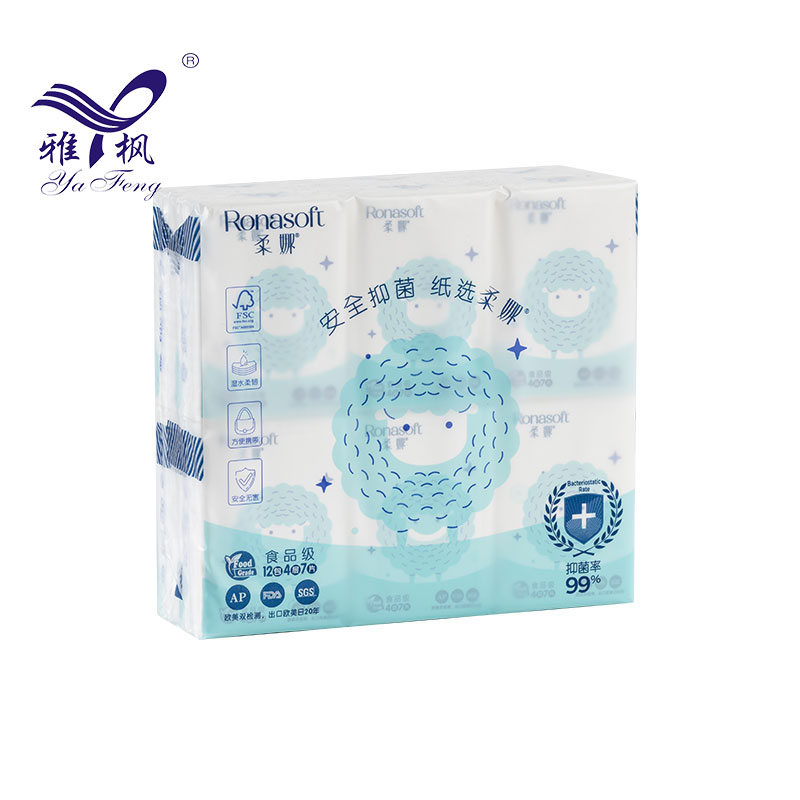
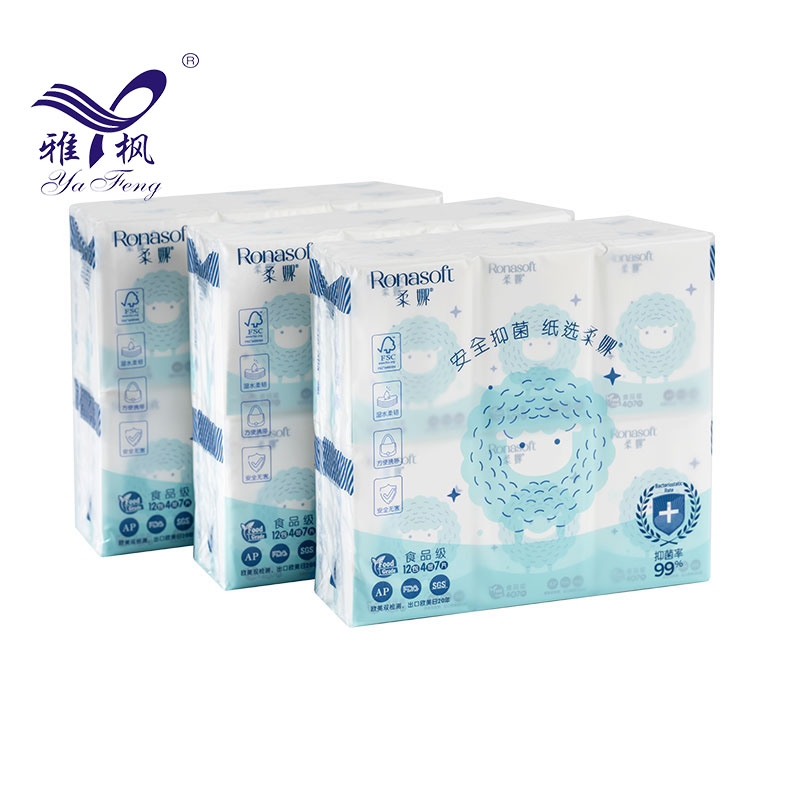
Face tissue is softer, more flexible, and gentler on skin than paper towels or napkins. It's typically made from virgin wood pulp, which produces a finer fiber structure. That softness is not cosmetic — it directly determines how well the tissue performs across different tasks.
Standard paper towels are built for absorption and durability. Napkins are designed for mealtime. Toilet paper is optimized for a single function. Face tissue occupies a different category altogether: gentle enough for sensitive skin, strong enough to hold its shape when wet, and thin enough to be used with precision.
The table below summarizes the primary categories where face tissue paper proves useful:
Category | Common Applications |
|---|---|
Personal Hygiene | Blowing nose, wiping eyes, removing makeup |
Skincare | Blotting excess oil, applying toner, spot treatments |
First Aid | Cleaning minor cuts, dabbing antiseptic, covering small wounds |
Household Cleaning | Dusting lenses, wiping screens, cleaning mirrors |
Office & Desk Use | Blotting spills, cleaning keyboards, drying hands |
Arts & Crafts | Paper-mâché, texture layering, gift wrapping filler |
Travel & On-the-Go | Freshening up, quick spill cleanup, emergency napkin |
This is where most people begin — and with good reason. Face tissue is the most sanitary way to blow your nose, wipe away tears, or clean around your eyes. Because the fibers are soft, repeated use on the face doesn't cause the irritation that rougher papers would.
In skincare routines, face tissue plays several targeted roles. Blotting papers and facial tissues work similarly: press lightly on oily areas to absorb excess sebum without disturbing makeup. Some people use a folded tissue to apply toner more evenly, especially around the nose and chin. For those with acne-prone skin, using a clean tissue rather than fingertips to apply spot treatments reduces the risk of cross-contamination.
Quality matters here. Tissues made from 100% virgin wood pulp — like those produced by Yafeng Paper Industry under the Ronasoft brand — are free from recycled fiber residue, which means less risk of irritation on sensitive skin. Yafeng's bacteriostatic tissue range takes this further, incorporating antimicrobial technology directly into the fiber to help inhibit bacterial growth on contact.
A tissue is not a substitute for sterile gauze in serious situations, but for everyday minor incidents, it performs well. Dabbing a small cut, catching a nosebleed, or applying antiseptic to a scraped knuckle — these are all scenarios where a soft, absorbent tissue is more practical than reaching for a first aid kit.
The uses of tissue paper in light medical contexts depend heavily on the tissue's structural integrity when wet. A tissue that disintegrates on contact is not just unhelpful — it can leave fibers behind. High-ply tissues (2-ply and above) hold their shape far better under light moisture pressure, making them reliably useful in these moments.
Tissues excel at precision cleaning tasks that cloth rags handle poorly. Eyeglass lenses, camera screens, phone displays, and laptop monitors all benefit from the soft, lint-free surface of a quality face tissue. Unlike paper towels, which can scratch delicate coatings, face tissue applies gentle pressure without leaving marks.
For dusting small objects — figurines, keyboard keys, desktop speakers — a dry tissue gives you control that a cloth doesn't. Fold it into a point to reach corners, or use it flat for broader surfaces. It's also useful for applying and removing window cleaner on small glass panels without streaking.
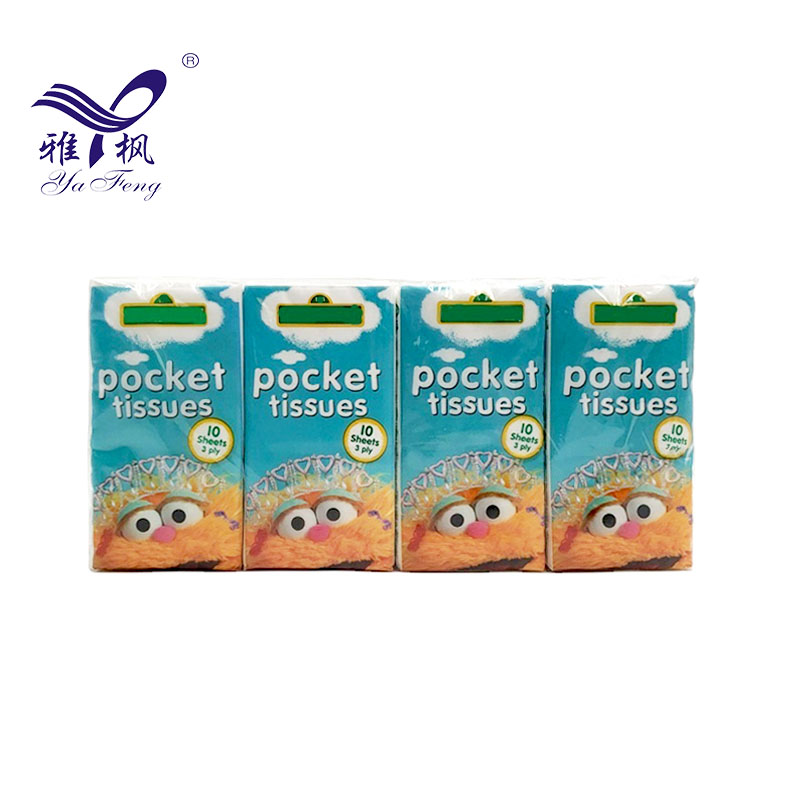
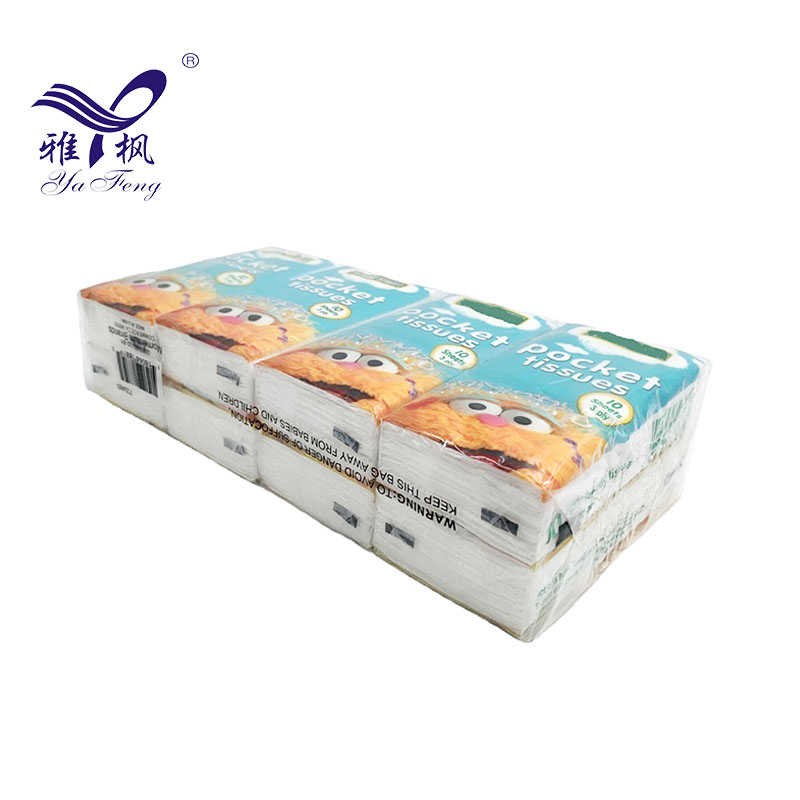
Pocket tissues are a category of their own. Compact and individually packaged, they're designed for the moments when you're nowhere near a full box. Yafeng's pocket tissue range is built from the same virgin wood pulp as their boxed products, so softness and strength don't drop when the format shrinks.
At the office, a tissue near your desk handles quick cleanups — a coffee spill on documents, a dusty monitor, damp hands after a cold glass. It's a small convenience that adds up across a workday.
This is where tissue paper's versatility surprises most people. Scrunched and layered, face tissue creates texture in paper-mâché projects. Folded into thin strips, it works as lightweight filler in gift bags. Artists sometimes use it to blend charcoal or pastel on paper. Teachers use it in classroom craft activities for its workability and safety.
Understanding the full tissue paper purpose — beyond hygiene — opens up practical options that most households already have on hand without realizing it.
Not all tissues perform equally across these use cases. Lower-quality options often use recycled pulp, which produces shorter fibers that break apart quickly and feel rougher on skin. For most of the applications covered here, that's a functional problem, not just a comfort one.
Yafeng Paper Industry, established in 2001 and operating from a 30,000-square-meter facility in Jiangmen, China, manufactures facial tissue products using 100% virgin wood pulp. Their FSC-certified sourcing ensures the wood pulp comes from responsibly managed forests — a standard that covers both product quality and environmental responsibility. Their product range includes boxed facial tissues, soft-pack tissues, pocket tissues, hand towels, kitchen paper, napkins, and toilet paper, all available with OEM/ODM customization for bulk buyers.
For businesses sourcing tissue products — hotels, retailers, healthcare facilities, or distributors — choosing a manufacturer with verified quality controls and consistent output is the deciding factor between a reliable supply chain and a disruptive one.
The most common uses include blowing the nose, wiping the face and eyes, removing makeup, blotting oily skin, and light surface cleaning. Face tissue is also widely used for first aid, crafts, and travel hygiene.
Face tissue is made from finer, softer fibers — typically virgin wood pulp — designed for contact with sensitive skin. Paper towels use coarser fibers optimized for absorption and durability. Using paper towels on the face can cause irritation; face tissue is gentler and more precise.
Yes. High-quality face tissue is soft enough to clean delicate surfaces like eyeglass lenses, phone screens, and monitors without scratching. Avoid tissues with added lotions or fragrances for this purpose.
Ply count refers to the number of layers in each sheet. Higher-ply tissues (2-ply and 4-ply) are stronger, softer, and hold their shape better when wet. They perform more reliably in skincare, first aid, and cleaning applications compared to single-ply options.
Bulk buyers should prioritize virgin wood pulp construction, ply count consistency, certifications (such as FSC), and manufacturer experience. Yafeng Paper Industry offers OEM/ODM services with quality control processes suited to international retail, hospitality, and distribution requirements.
Face tissue is one of those products that earns its place in every room of a home, every drawer of an office, and every corner of a supply closet — precisely because it handles so many different tasks well. The key is choosing tissue that holds up across all of them.
Yafeng Paper Industry's Ronasoft tissue range is built to that standard. Manufactured from 100% virgin wood pulp with bacteriostatic technology and FSC certification, it delivers softness and reliability across every application covered in this guide. For bulk inquiries, OEM orders, or product samples, visit ronasofttissue.com or contact the team directly at info@goodtissue.com.


